
Welcome to the digital revolution in dentistry! As a dental professional, you are undoubtedly aware of the transformation that digital scanning has brought to our industry. Dental digital scanning has revolutionized dental diagnostics, treatment planning, and the fabrication of dental prosthetics. However, as with any technology, there are always ways to improve and optimize its usage. There are several methods that can help you enhance your digital scanning techniques for better patient outcomes.
Dental Digital Scanning Workflow Benefits
Embracing a digital workflow in your dental practice not only streamlines the entire treatment process but also significantly enhances the patient experience. From initial consultation to final treatment, a digital workflow reduces the need for physical impressions, which many patients find uncomfortable. It allows for quicker and more accurate diagnoses, more efficient communication with dental laboratories, and enables the dentist to plan and simulate treatment outcomes using advanced software. This results in a more predictable and precise treatment plan. Additionally, a digital workflow facilitates easier and more secure storage and sharing of patient data, reduces the manual errors associated with traditional methods, and ultimately leads to a more efficient, productive, and profitable dental practice.
- Enhanced Patient Experience: Eliminates the need for uncomfortable physical impressions, reduces patient anxiety, and allows for a more comfortable and pleasant experience.
- Increased Accuracy: Digital scans are incredibly precise, reducing the chances of errors that can occur with traditional methods.
- Efficient Communication: Facilitates quicker and more accurate communication with dental laboratories, ensuring that everyone is on the same page regarding the patient’s treatment plan.
- Predictable Outcomes: This enables the dentist to plan, simulate, and visualize treatment outcomes using advanced software, resulting in more predictable and successful results.
- Secure Data Management: Allows for easier and more secure storage, sharing, and management of patient data.
- Operational Efficiency: Reduces manual errors, streamlines the treatment process, and ultimately leads to a more efficient and productive dental practice.
- Cost-Effective: While there is an initial investment in digital equipment, the increased efficiency and reduction in errors lead to cost savings in the long run.

The key is to find ways to integrate and utilize this technology in the most efficient way while maintaining the highest levels of accuracy. This can be done by doing the following:
Invest in High-Quality Equipment
The first step in improving digital scanning techniques is to invest in high-quality equipment. Advanced intraoral scanners offer better accuracy and faster scanning times and are more comfortable for patients. Look for a scanner that has a small, lightweight handpiece, high-resolution imaging, and user-friendly software. Additionally, choose a scanner that offers seamless integration with other digital dentistry tools, like CAD/CAM systems.
Regular Training and Updates
Technology is continually evolving, and so should your skills. Regular training sessions for you and your staff will ensure everyone is up-to-date with the latest advancements in digital scanning techniques. Manufacturers often provide training and updates on their equipment, so take advantage of these resources. Online tutorials, webinars, and hands-on workshops are also great ways to enhance your knowledge and skills.
Optimize Your Scanning Technique
Improving your scanning technique is crucial for obtaining accurate and detailed images. Here are a few tips to optimize your scanning technique:
- Start with a systematic approach: Develop a consistent scanning protocol that you follow for every patient.
- Maintain a steady hand: Keep your hand steady and move the scanner slowly and smoothly over the tooth surfaces.
- Optimal distance: Maintain an optimal distance between the scanner and the teeth. Most scanners work best when held 1-2 cm away from the tooth surface.
- Adequate moisture control: Make sure the teeth are dry but not desiccated. A thin film of saliva or water can help to reduce light reflection and improve scan accuracy.
Patient Comfort is Paramount
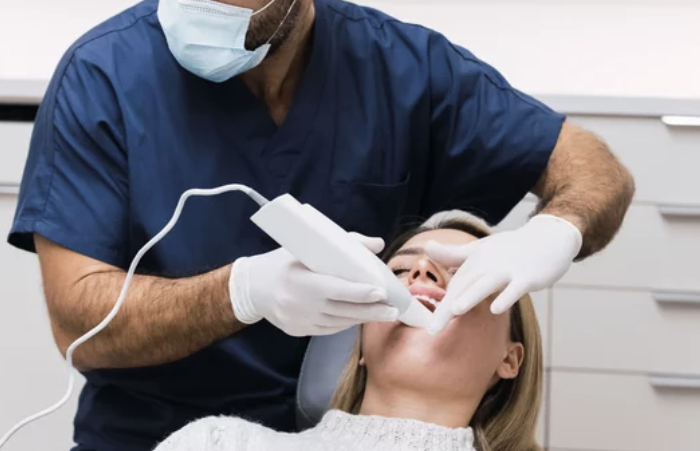
Keeping your patients comfortable during the scanning process is crucial for obtaining high-quality scans. Ask your patients to sit back and relax, and remind them to breathe normally. Use a bite block to help your patients keep their mouths open comfortably during the scanning process. Additionally, explain the process to your patients beforehand to alleviate any anxiety they may have.
Utilize Software Features
Most intraoral scanners come with advanced software that offers various features to enhance the quality of your scans. For example, some software allows you to view the scan in real time, enabling you to identify and correct any errors immediately. Additionally, many software programs offer tools for measuring distances, analyzing occlusion, and designing restorations. Other considerations include:
- Real-Time Viewing: This enables you to view the scan in real-time, helping you to identify and correct any errors immediately, thereby ensuring the highest quality scans.
- Occlusion Analysis: Advanced software often includes tools for analyzing occlusion, helping you to identify any potential issues and plan the treatment accordingly.
- Restoration Design: Many software programs offer features that allow you to design restorations such as crowns, bridges, and implants directly within the software.
- Distance Measurement: Software often includes tools that allow you to measure distances between various points in the scan, which can be crucial for planning and executing treatments.
- Color Mapping: Some software offers color mapping features, which can be helpful for identifying areas of concern such as recession or wear.
- Integration with CAD/CAM: Many intraoral scanner software programs offer seamless integration with CAD/CAM systems, streamlining the process of designing and fabricating restorations.
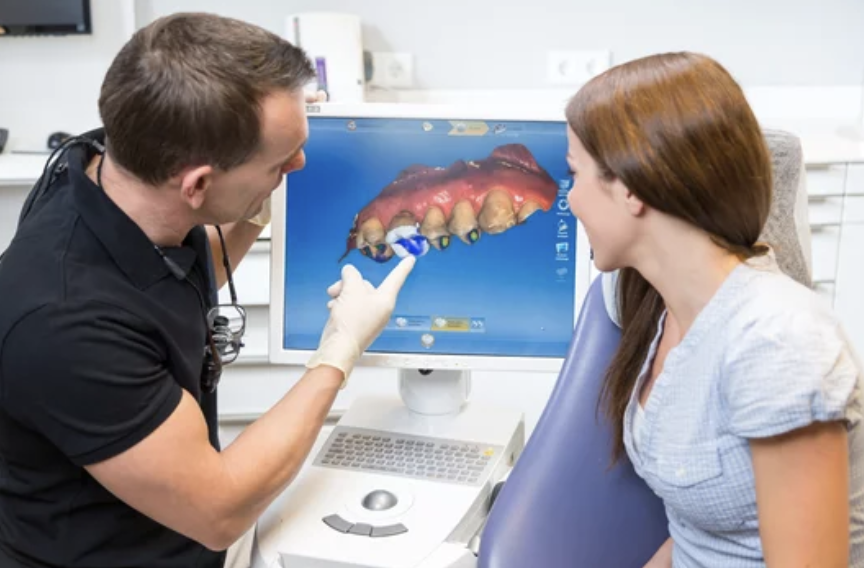
Remember to check the software associated with your intraoral scanner for the exact features available, as they can vary between different manufacturers and models.
Conclusion
Improving your digital scanning techniques is crucial for delivering the highest quality care to your patients. Investing in high-quality equipment, staying updated on the latest advancements, optimizing your scanning technique, keeping your patients comfortable, and utilizing software features can significantly enhance your digital scanning capabilities. At Future Dental Studios, we are committed to helping dental professionals like you excel in the digital age. Together, let’s create brighter smiles for the future!