
Elevate your practice with the unparalleled durability and aesthetics of emax restorations, offering a cutting-edge alternative to conventional lithium disilicate materials. At Future Dental Studios, we understand the transformative power of advanced dental restorations on patient satisfaction and clinical outcomes. Emax restorations stand at the forefront of this revolution, offering a blend of aesthetics, durability, and versatility unmatched by traditional materials.

Unveiling the Superiority of Emax Restorations
Why is emax the preferred choice over other lithium disilicate materials? The answer lies in its unique material composition and manufacturing process. E.max employs a high-purity lithium disilicate ceramic that boasts superior translucency, strength, and aesthetic qualities. This material not only mimics the natural appearance of tooth enamel but also offers remarkable durability, making it an ideal choice for a wide range of restorative applications. E.max has been on the market since 1991 and has the most widely available clinical success than any lithium disilicate material.

Achieving Excellence with Emax: A Step-by-Step Guide
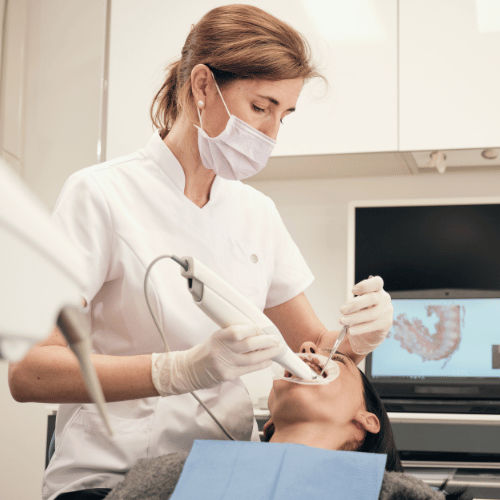
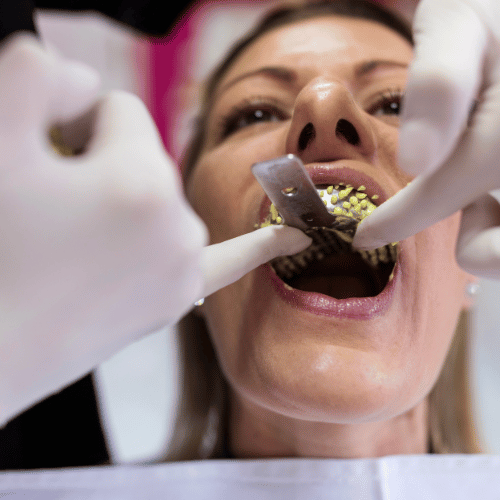
One of the key areas to facilitate case success is to provide the proper case foundation. This foundation includes proper preparation design, including margin placement, as well as adequate impression taking, whether that is a traditional impression or a digital impression. Understanding the patient’s desires is critical to achieving optimal results. Being able to create restorations that meet or even exceed the patient’s desires depends on the dentist’s ability to provide the proper preparation design and clear impressions.
Design Principles for Optimal Emax Preparation
- Minimal Intervention: Preserve as much tooth structure as possible by adhering to minimal reduction guidelines, typically around 1.0 mm for anterior teeth and 1.5 mm for posterior teeth.
- Precision in Impression Taking: Ensure accurate impressions by using high-quality materials and techniques, capturing intricate details for a perfect fit.
- Margin Placement and Design: Wherever possible, opt for supragingival margin placement to facilitate easier finishing and minimize periodontal trauma.
Customizing and Coloring Techniques
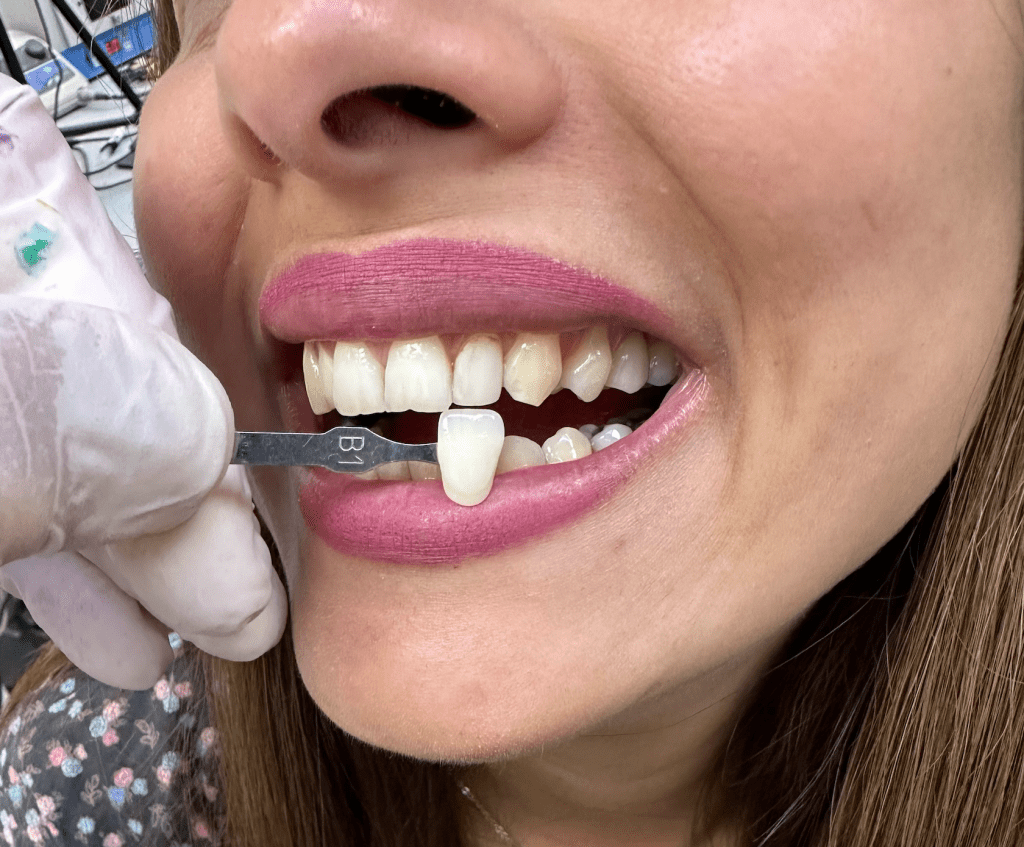
The wide variety of materials available for proper e.max restoration manufacturing allows for unbeatable restorative results. In the hands of the right technician, each restoration can be tailored to the individual patient by mastering the art of staining and glazing, e.max ceramics. This customization enhances the natural look, ensuring each restoration beautifully blends with the surrounding dentition. To provide proper shade communication:
- Use standardized shade guides under consistent lighting conditions.
- Take high-resolution photographs with correct white balance settings.
- Communicate the patient’s age and gender, as these can affect shade selection.
- Share details about the translucency and characterizations needed.
- Discuss the desired final outcome openly to align expectations.
- Utilize digital color matching tools if available for precision.
- Provide the shade of the prepared tooth
- Confirm the selected shade through a try-in before final cementation.

Collaboration for Success
The synergy between dental labs and practitioners is vital for the success of e.max restorations. Open communication channels, detailed case planning, and sharing of best practices ensure that the final outcome meets or exceeds patient expectations. For successful collaboration between dental labs and clinicians on e.max restorations:
- Share detailed case information and expectations early in the process.
- Agree on material choices and design aspects based on the patient’s needs.
- Maintain open communication for any adjustments or clarifications.
- Utilize digital tools for precise impressions and designs.
- Discuss cementation protocols and finishing techniques to ensure longevity.
- Schedule regular updates and feedback sessions to refine collaboration practices.
- Prioritize patient outcomes in all decision-making processes.

Emax Cementation Protocols for Lasting Results
Depending on the clinical situation, conventional cementation, and adhesive bonding are the proper cementation protocols for e.max restorations. Adhesive resin cement, including self-cured, light-cured, and dual-cured types, is recommended for all ceramic restorations, requiring specific surface treatments such as etching and silanization. There are many factors that influence the choice of cement, such as the type of material, the design, the isolation capability, and the aesthetic outcomes. The preparation design of high-strength ceramics like e.max is crucial for achieving successful results.
By integrating these guidelines into your practice, you can harness the full potential of e.max restorations to achieve exceptional aesthetic and functional outcomes. With over 35 years of dental lab experience, Future Dental Studio is committed to supporting dental professionals in their journey toward excellence in restorative dentistry, making every smile a testament to quality and craftsmanship.
Contact Kourosh at Future Dental Studio for more information on our emax cases and how we can collab on your next emax restoration. Check out our e.max case review for insight into some of our work.