
Porcelain Veneers
Porcelain veneers have become increasingly popular among dental professionals. This is due to their lifelike appearance, durability, and versatility in solving various aesthetic and functional issues. At Future Dental Studio, we commit to delivering dentists exceptional porcelain veneers that meet the highest industry standards.
At Future Dental Studio, we understand that dental professionals want to provide patients with the best dental solutions. Our team of experts commits to partnering with you in delivering high-quality porcelain veneers, creating beautiful, natural-looking smiles.
Why Choose Future Dental Studio for Porcelain Veneers?
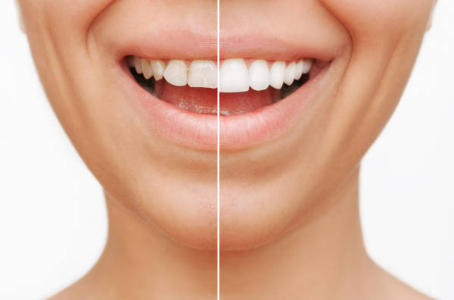
- State-of-the-art technology: We use advanced digital technology to design and create customized veneers that perfectly fit your patients’ teeth and expectations.
- Expert craftsmanship: Our skilled and experienced technicians ensure that each veneer meets the highest standards of quality and aesthetics.
- Responsive customer service: Our team is readily available to address any questions or concerns you may have during the veneer process.
- Fast turnaround times: We understand the importance of timely delivery and strive to complete your patients’ veneers in a prompt and efficient manner.
Types of Porcelain Veneers
Lithium Disilicate
Brands such as IPS e.max are popular choices for dental professionals seeking a balance between form and function. E.max veneers to provide your patients with an exceptional combination of aesthetics, durability, and strength. We make these veneers from lithium disilicate glass-ceramic, a material known for its lifelike translucency and resistance to wear.
E.max veneers can be fabricated using a monolithic or layered approach. Monolithic veneers are milled from a single block of material, resulting in a highly durable and uniform restoration. Layered veneers, however, involve the application of a thin layer of esthetic ceramic on the lithium disilicate core. This allows for enhanced customization and a natural appearance.

Benefits of E.Max Veneers
- Superior aesthetics: e.max veneers mimic the appearance of natural teeth with their remarkable translucency and color accuracy.
- Enhanced strength: Due to the material’s high strength, e.max veneers are less prone to fractures and chipping than traditional porcelain veneers.
- Versatility: E.max veneers can be used for a wide range of applications, including anterior and posterior restorations. This makes them suitable for various clinical situations.
- Conservative preparation: e.max veneers require minimal tooth reduction, preserving more of the patient’s natural tooth structure.
Foil Veneer Technique
The foil veneer technique is a specialized method of fabricating ultra-thin, custom-made veneers using platinum foil as a matrix. This technique allows for the creation of veneers with exceptional esthetics and precise fit.
Benefits of Foil Veneer Technique
- High precision: The foil veneer technique allows for a highly accurate fit, ensuring optimal marginal integrity and minimal adjustments during the bonding process.
- Enhanced esthetics: The technique enables the creation of ultra-thin veneers with lifelike translucency and color, closely replicating the appearance of natural teeth.
- Customization: Each veneer is individually crafted, allowing for detailed customization to meet your patient’s unique dental and esthetic requirements.
Successful Veneer Cases: A Guide for Dentists
To ensure successful veneer cases and deliver outstanding results for your patients, it is essential to follow a step-by-step process that incorporates careful planning, attention to detail, and effective communication with your dental laboratory. Here are the key steps and tips to consider:
- Comprehensive case assessment: Begin by conducting a thorough evaluation of your patient’s dental and facial aesthetics, as well as their oral health. Discuss their expectations and assess the feasibility of achieving their desired results with veneers.
- Diagnostic wax-ups: Create a diagnostic wax-up based on the desired final result. Wax-ups serve as a visual aid for both the dentist and the patient, helping to set realistic expectations and to guide the preparation and placement of veneers.
- Digital imaging: Utilize digital imaging software to simulate the final result and make any necessary adjustments before beginning the tooth preparation process.
- Accurate impressions: Take precise impressions of the prepared teeth to ensure that the dental laboratory has an accurate representation of the tooth structure for creating the veneers.
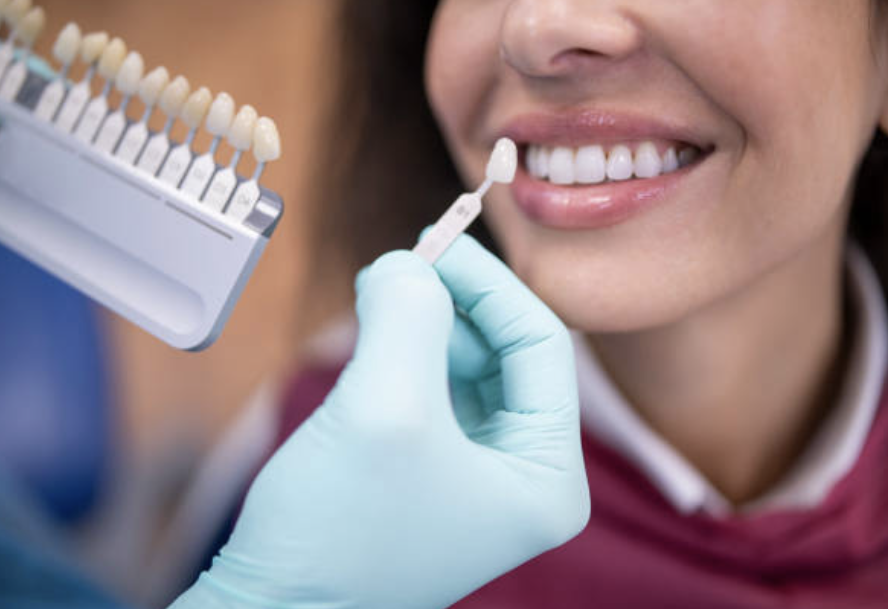
- Shade selection: Collaborate with your patient to choose the appropriate shade for their veneers. Consider factors such as the patient’s skin tone, natural tooth color, and desired outcome. To ensure a perfect match, provide your dental laboratory with high-quality photographs and detailed shade information.
- Temporization: Fabricate well-fitting, esthetic temporary veneers to protect the prepared teeth and maintain patient comfort while the permanent veneers are being crafted.
- Clear communication with the dental lab: Maintain open lines of communication with your dental laboratory to discuss case details, clarify expectations, and address any questions or concerns that may arise during the fabrication process.
- Veneer try-in: Before cementation, check the fit, color, and aesthetics of the veneers. Make any necessary adjustments or consult with your dental laboratory if significant modifications are required.
Tooth Preparation for Veneers
- Assessment and planning: Begin by assessing the patient’s dental and facial aesthetics, discussing their expectations, and developing a treatment plan.
- Tooth reduction: Depending on the type of veneer, it may require minimal or no tooth reduction. Traditional veneers typically involve removing 0.3 to 0.5 millimeters of enamel to accommodate the veneer.
- Impression and temporization: Take a precise impression of the prepared teeth and create temporary veneers to protect the teeth while we fabricate the permanent veneers.
Cementation Best Practices
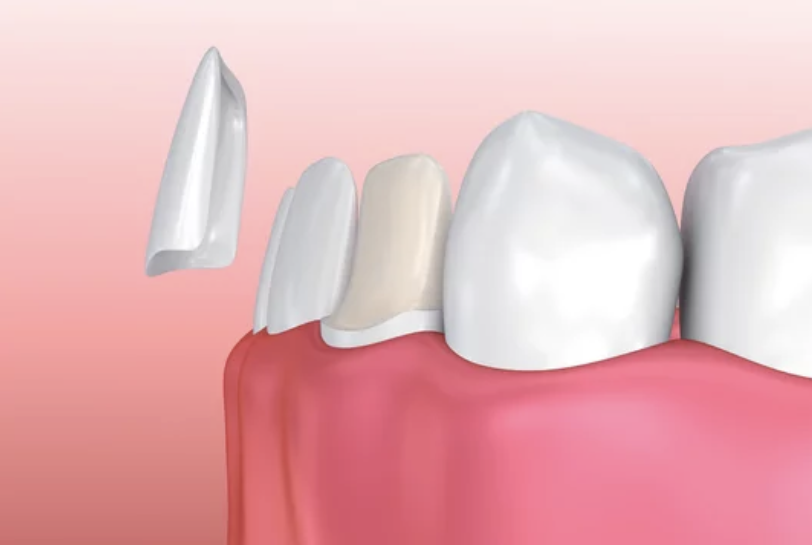
Follow a systematic approach to bonding the veneer to the tooth:
- Apply a thin layer of adhesive resin to the prepared tooth surface and the etched veneer, then gently air-dry.
- Apply a thin layer of resin cement to the veneer’s internal surface.
- Carefully position the veneer on the tooth, applying gentle pressure to ensure complete seating and proper alignment.
- Remove any excess cement using a microbrush or dental floss.
- Light-cure the cement according to the manufacturer’s recommendations, typically for 20-40 seconds per surface (mesial, distal, occlusal, and cervical).
Finishing and Polishing
Once the veneer is bonded, complete the process by:
- Checking and adjusting occlusal and interproximal contacts as necessary.
- Polishing the margins and surrounding tooth surfaces using rubber polishing points, brushes, or diamond polishing paste to achieve a smooth and natural finish.
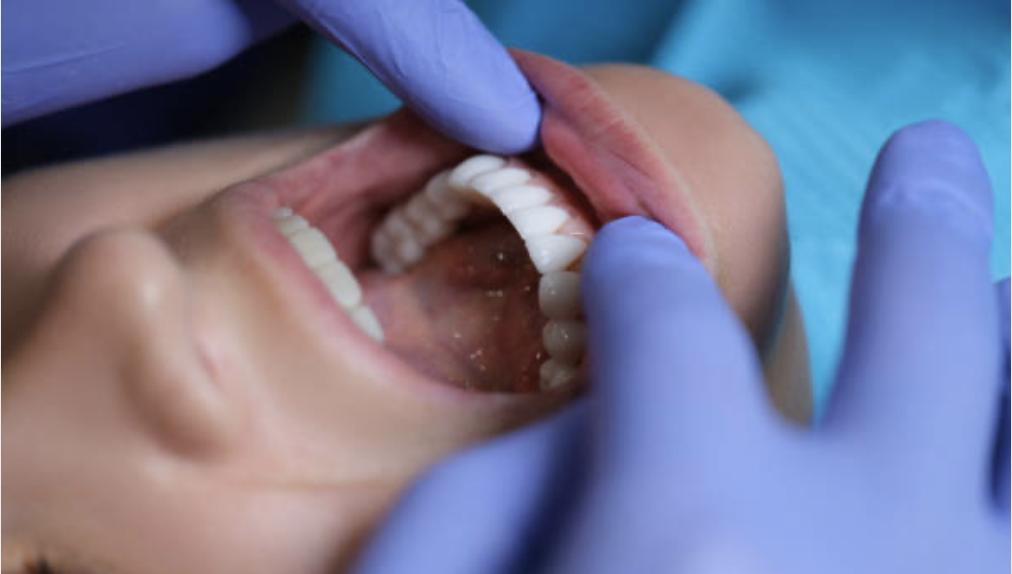
At Future Dental Studio, we are dedicated to providing dental professionals with the highest quality porcelain veneers to ensure exceptional patient outcomes. By maintaining open communication, adhering to optimal preparation and bonding techniques, and providing proper patient education, we can work together to deliver beautiful, long-lasting smiles.
Don’t miss the opportunity to experience the difference Future Dental Studio can make for your practice and your patients. Contact us today to discuss your next veneer case, and let our skilled team of dental technicians help you create the stunning, natural-looking smiles your patients deserve.
Call Future Dental Studio now, and let us be your partner in achieving outstanding results with porcelain veneers.
Get A Copy of Our Fee Schedule
Related Posts

Crafting An Implant-Supported Hybrid Prosthesis for An Early-Stage Dementia Patient: A Case Study
The dental field can be very rewarding, especially to those of us who help make a direct impact on the lives…

Mastering Porcelain Veneers: Tips for Outstanding Patient Outcome
As we strive to be the best dental lab, our primary objective is to deliver the utmost quality of care and…

Emax Veneers: Crafting Radiant Smiles Through Precision and Artistry
This case study delves into a complex restoration project tailored for the contemporary dentist—a 10-unit Emax veneer case aimed at rejuvenating…
Something went wrong. Please refresh the page and/or try again.